Category: Garden & Ourdoors

  • Create Your Own Vegetable Patch

    Create Your Own Vegetable Patch

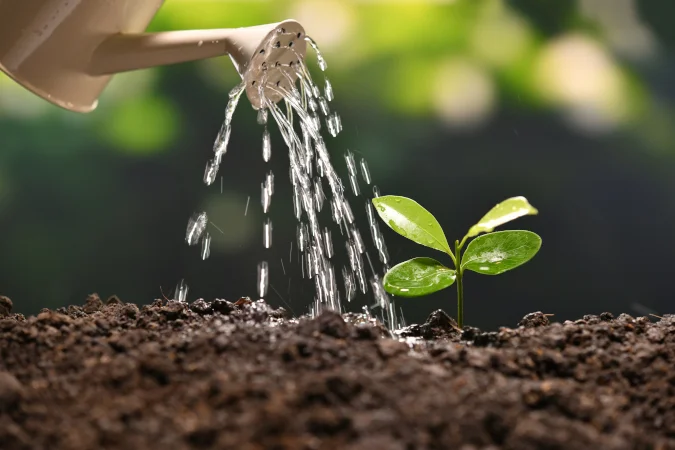
    Growing your own fruit and vegetables is healthier as it allows you to control how your food is grown, choosing organic methods if you wish. It is also much cheaper, thus reducing your weekly grocery bill.

    Shopping List

    Spade | Fork | Hoe | Secateurs | Trowel | Rake | Watering can | Gardening gloves | Compost | Vegetable seeds

    Creating your own vegetable patch takes less time, effort and money than you may think. If you can give it an hour each week, you will be astounded with the results, and will want to maintain your dedicated area each year.

    Where to Put Your Vegetable Patch

    The first decision you need to make is choosing a location for your new vegetable patch. If space is limited, don’t let that deter you from proceeding. Whether you have acres of land, a small garden, a balcony or just a windowsill, there is always space to grow your own fruit, vegetables and herbs. A common misconception is that you will need a greenhouse. Although greenhouses are very useful for growing your own food, they are not a necessity. Ideally you should look for a dedicated and raised location, whether a bed in your garden or large pots on your window ledge or balcony. This will allow more sunlight to reach the plants. Your crops will need all the sun’s vital nutrients to grow so avoid obstacles that may shade them such as hanging trees or buildings.

    Essential Tools to Create & Maintain Your Patch

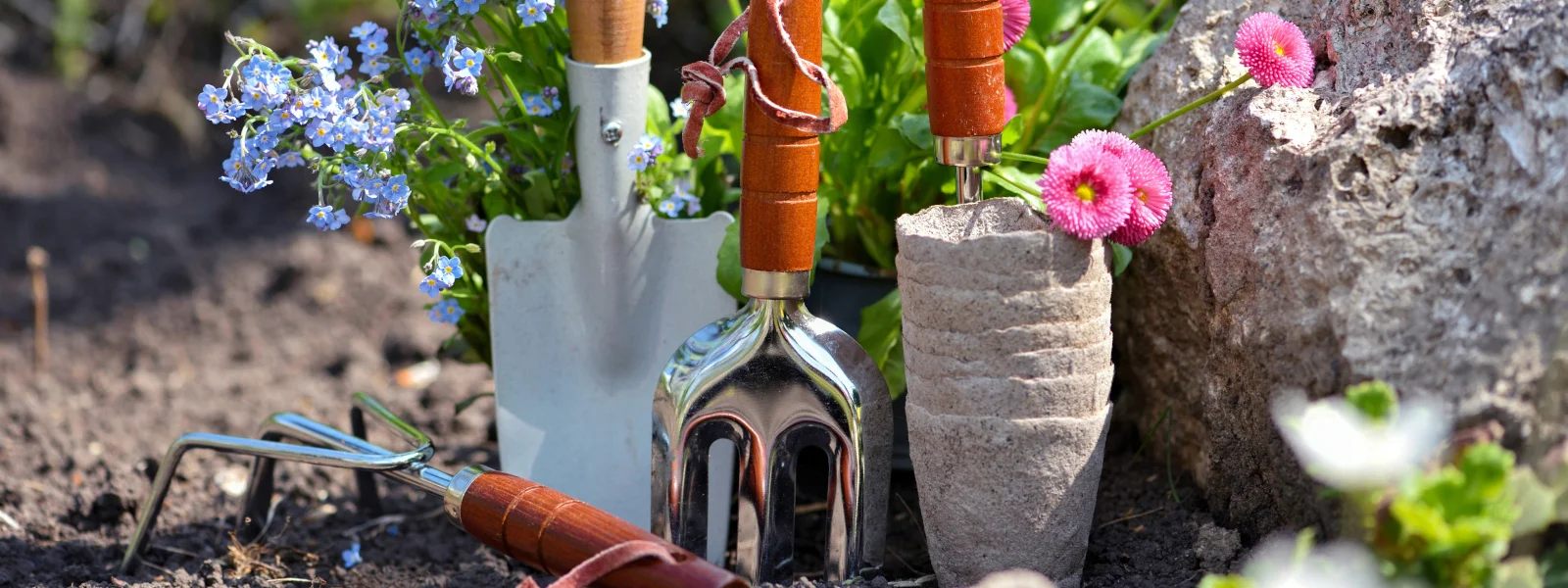
    Having the right tools to hand will make this project much easier and enjoyable. Must have tools include a spade, a fork, a hoe, a pair of secateurs, a trowel, a rake, a watering can, gardening gloves, and some comfortable garden clothes. Smaller versions of these tools may be more suitable for you depending on the size of your patch. Costs vary and you will want to stay within budget, however you should always try purchase higher quality tools where possible, for longevity.

    The Perfect Soil

    You will need good soil quality in your vegetable patch to support growth and provide nutrients to the various crops. Adding garden compost or soil conditioner to your existing soil will help. You will also need to check that your vegetable patch is well drained so that your growing vegetables will not get destroyed in a heavy rainfall. To check this you should fill your vegetable patch with water before you plant your seeds and if the water is still there the following day you will need to take steps to improve the drainage.

    What to Grow

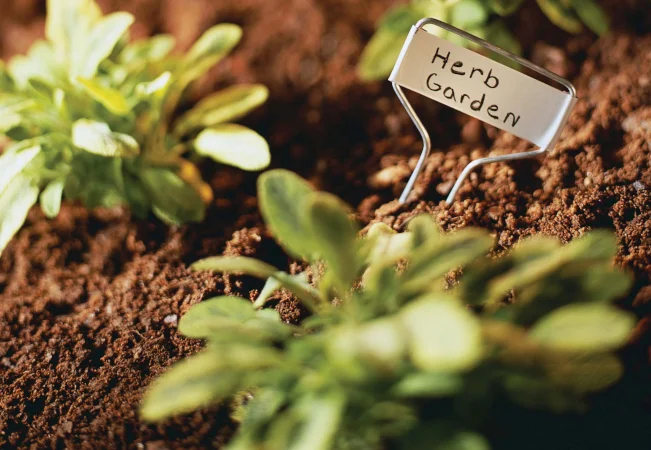
    When your vegetable patch is ready to be planted, you will need to decide what crops you would like to grow. There are hundreds of vegetables, fruits and herbs that flourish in Ireland at different times of the year. Use your personal taste preference and the time of year to help you choose your crops. Your local garden centre will be able to give you some direction on what crops to choose if you are unsure. The next step is whether to grow from seeds or from a plug plant; the latter is less effort and less risky. We recommend experimenting with growing from seeds first to allow you to watch the growing process. Within weeks you will be eating your own freshly picked vegetables and fruits and the satisfaction is enormous.< Here are some ideas of what to grow in each season:

    – Winter – asparagus, garlic, shallots, peas, rhubarb, lettuce, onions, and spinach.
    – Spring – carrots, cabbage, herbs, beetroot, tomatoes, lettuce, spring onion, potatoes, and peas.
    – Summer – beetroot, cabbage, cauliflower, carrots, celery, lettuce, parsnips, radish, squash, and tomatoes.
    – Autumn – beetroot, broccoli, cabbage, carrots, cress, leeks, lettuce, onion, peas, shallots, turnip, and spinach

  • Year Round Bird Care

    Year Round Bird Care

    Shopping list

    Bird seed | Suet balls | Peanut kernels | Bird feeding station | Nesting box | Fine wire mesh | Trees & shrubs | Ivy, honeysuckle, cotoneasters

    Feed the Birds

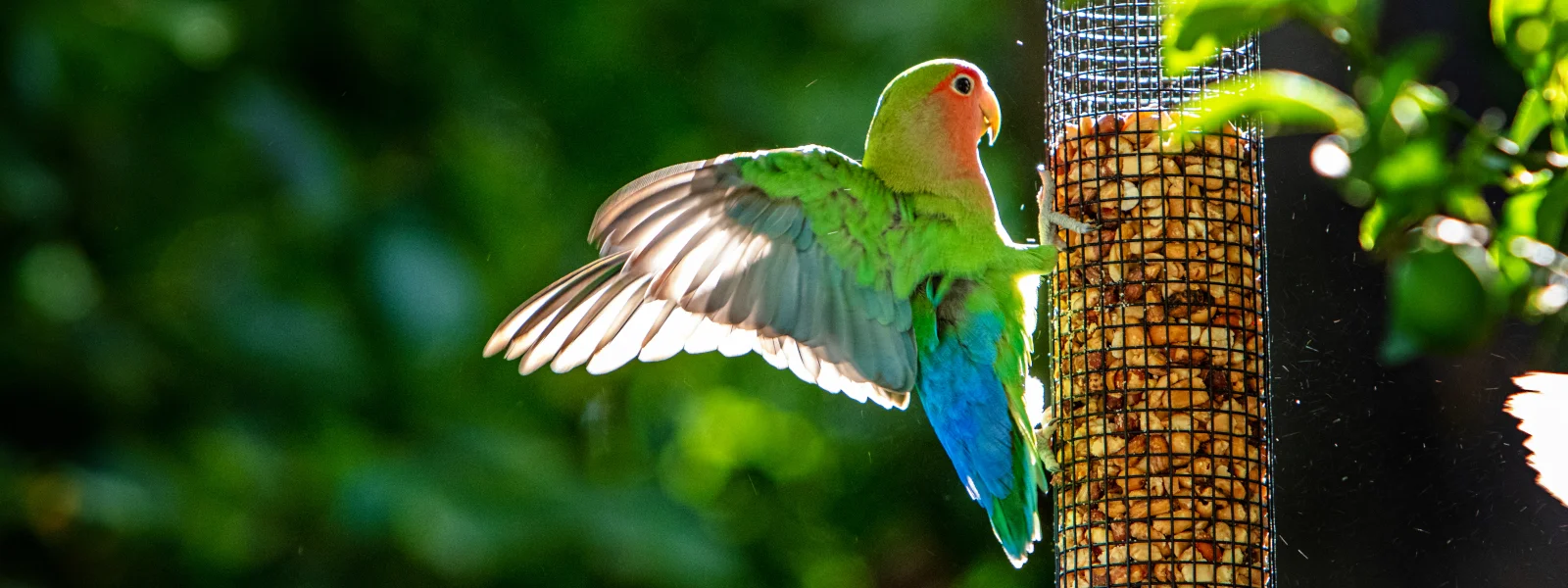
    Sourcing food is the primary challenge for birds as the ground hardens in winter; therefore it is important to leave out ample bird feed in a feeding station. Bird seed, nuts and suet balls provide them with the fibre and fat required to see them through the winter. You may find that your local birds favour one type of food over another. If you try a variety to begin with, you can avoid waste in the future by determining what it is the birds are looking for.  Here are a number of products we recommend:

    Bird-feeding stations

    They provide an all-in-one feeding, watering and bathing post, and are ideal for attracting a wide range of birds. These stations are particularly useful during the snow and ice as they provide a raised platform off which the birds can easily access the food. They should be free-standing and high enough to keep predators such as cats and squirrels from attacking any feeding birds or eating their food.

    Peanut kernels
    Rich in oils, peanuts provide a high-energy food source and are especially beneficial during the cold winter months.

    Suet balls
    These are highly recommended as they provide birds with a great source of fat and energy, through a combination of natural foodstuffs like oats, sunflower seeds and wheat flakes.

    Keeping Ice at Bay & Birds Safe

    Frosty weather makes it difficult for birds to find adequate water to drink and bathe in. As mentioned above, a feeding station is an essential addition for your garden. It provides a sanctuary for birds and is paramount to their survival at low temperatures.

    To prevent the bird bath from freezing over, place a small light rubber ball in the bath. The ball will move in light winds preventing the water from turning into ice.

    We also advise that you clean the bowl as often as you can to prevent the build-up of algae or bird droppings, which could harm the birds. Most importantly, do not clean the bird feeders or bird baths with chemicals, as this could poison the birds.

    Nesting Season: the Good & the Bad

    As the winter comes to an end and the weather starts improving, it is time to think about your feathered friends’ nesting season. Nesting season usually begins in February, and you can help the birds out at this time by continuing to provide food as well as a suitable place for them to nest. A nesting box makes another great addition to the bird lover’s garden. Birds will seek shelter to nest in, often a hole in a tree but failing that they may use a nesting box.

    The location you choose for your nesting box is vital. It should be placed at least two metres above the ground, in a sheltered spot facing between north and south-east to avoid exposure to strong sunlight, harsh winds and rain.

    You shouldn’t expect instant results as it may take a year or two before the birds become aware of the box. When birds do begin to nest there, we strongly advise that you do not try to look into the nest as this could scare the parents into fleeing the nest, leaving the chicks to die.

    In order to avoid problems from your nesting birds, you should do the following:

    1. Cover nearby pipes, vents, chimneys or any other similar points of entry into your house to prevent the birds from nesting there and potentially causing structural damage. Fine wire mesh coverings are available at hardware stores.
    2. Choose a nesting box location away from your patio area to minimise any visible mess which birds can leave behind.

    Attracting Wild Birds

    Long grass, dead leaves and bushes all attract birds to your garden, as they provide nesting material that is both local and familiar to them. Filling a garden with exotic, non-native plants will see your garden void of any native birds as they will be scared off by its un-familiarity. If you are creating a garden from scratch, you should consider a tiered design. For example, planting a tree surrounded by shrubbery and subsequently layered with flowers and grass is a great attraction to birds while also pleasing to the eye.

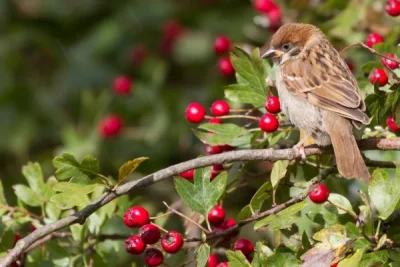
    A regular source of food will be a wild bird’s main priority; visit your local Topline store for a wide range of bird feed and stations. You can then compliment this with some garden plants and shrubbery, which brighten your garden and keep birds well-fed. Plants that produce berries such as ivy, honeysuckle and cotoneasters, provide a steady source of food for all varieties of birds

  • Create an Outdoor Entertainment Area

    Create an Outdoor Entertainment Area

    An outdoor entertainment area is fun to create and use, and makes a great addition to any home. You can design it to suit your personal needs and all types of gatherings, from a small family dinner to an all-out garden party for family and friends.

    Shopping List

    Paving | Garden furniture | BBQ | Chiminea

    And remember, a welcoming and attractive outdoor entertainment area will add value to your property.

    Even on a limited budget you can let your imagination run wild, and develop ideas that will impress your family and friends, and maybe even a jealous neighbour or two!

    Getting Started with a New Patio

    A patio is an excellent central hub for your outdoor entertainment activity, and will help you shape and design the overall area.

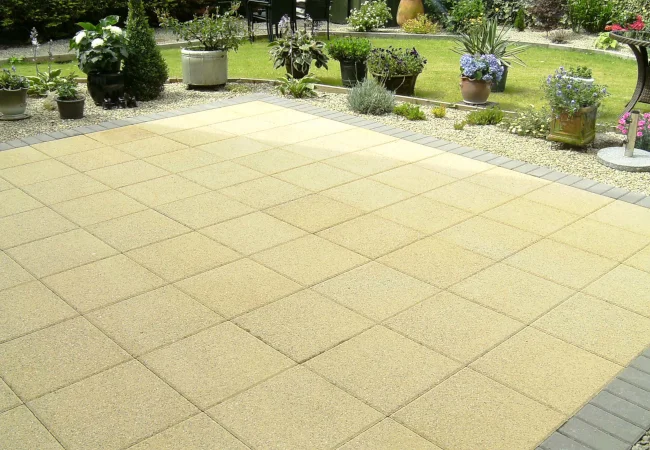
    Laying brick or concrete paving stones will create a stylish and functional patio. With patience, planning and some good old fashioned elbow grease, this is a project you can do yourself on any budget.

    When ordering paving stone, you will be faced with many different colours and styles to choose from. Sandstone or wet cast paving are on trend and give a beautiful finish.

    For a professional look, try spacing your patio stones a couple of centimetres apart, and then apply jointing compound to stop weeds growing in the spaces. Alternatively, apply an appropriate sealing product.

    Tip: The location of your patio will dictate where your outdoor entertainment will take place, so take all factors into account, e.g. shelter, sunlight, privacy, and access to electricity.

    Choosing the Right Garden Furniture

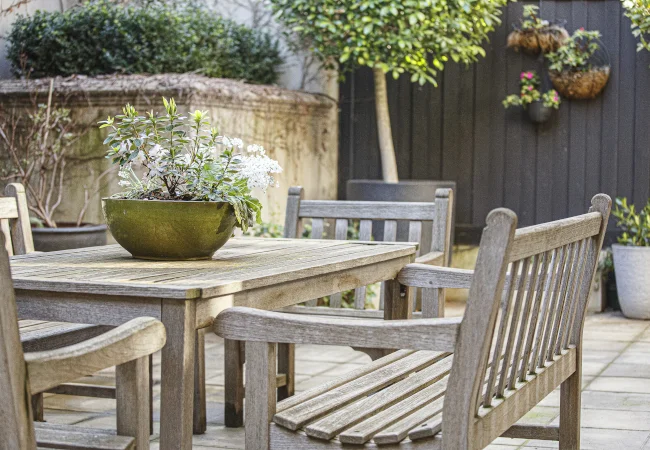
    Choosing the right garden furniture is essential to maximising the enjoyment of your outdoor space. Many factors should be considered such as the unpredictable Irish weather, the level of maintenance required, comfort, style, and budget.

    Look out for great budget friendly options with contemporary looks and features such as low maintenance and weather and rust resistance. Most ranges include a variety of sizes and colours to suit all tastes and needs.

    Our range of cast aluminium furniture provides long lasting durability with a 10 year structural guarantee.

    For a more classic, traditional look, consider our range of wrought iron and wooden furniture. Wooden furniture may require annual maintenance with wood varnish to preserve the wood, depending on weather conditions and exposure.

    For more information on our garden furniture, check out our range online or visit your nearest store.

    Outdoor Cooking

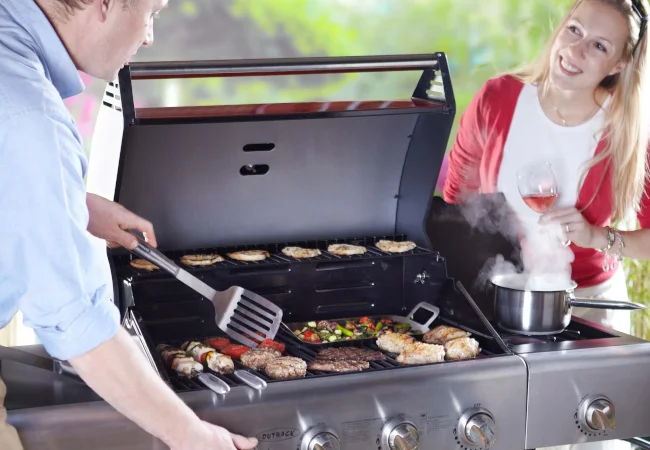
    hen designing your outdoor entertainment area, make sure you allocate a suitable area for barbecuing.

    If you are investing in a new BBQ, your first decision will be charcoal or gas, and there are opposing views on which is the better option. Some argue that a charcoal BBQ is essential to add the flavour of outdoor cooking to your food, and it can be cheaper than a gas alternative. However, some prefer the convenience a gas BBQ provides. The choice comes down to personal preference.

    Visit your local store for both types of BBQ in a range of forms and sizes, as well as advice and accessories.

    Keeping Warm

    With the vast range of innovative outdoor heating products available, the changeable Irish weather is no longer an excuse to avoid enjoying your outdoor space.

    A pop-up gazebo will provide valuable shelter, and a chiminea (Mexican fireplace) radiates ambience and warmth. Chimineas are made of durable cast iron and clay, and will hold a solid fuel fire to bring character and comfort to your patio or garden. They can get quite hot, so they should be positioned out
  • Your Gardening Calendar for the Year

    Your Gardening Calendar for the Year

    With so much to do in the garden each season throughout the year, our easy-to-follow gardening calendar is essential to help you know what should be done each month.

    January
    January is a quiet month for gardeners, which makes it an ideal time to plan your gardening tasks and goals for the year. You can also use this time to buy seeds for the year ahead and to gather any tools or equipment you may need.

    If you feel like some exercise after being stuck inside during the winter, you can turn your compost heap over to help it to decompose evenly.

    Although you can prepare beds at any time of the year, deep digging is best done now before the end of winter. This will allow the disturbed ground to settle before planting.

    You can also recycle your Christmas tree by having it shredded, and then spreading it on beds or putting it on your compost heap.

    February
    February is a month of difficult-to-predict weather, ranging from spring sunshine to late frost. From mid-February, you can start to sow greenhouse-grown vegetables such as tomatoes, peppers and cucumbers.

    It is also a good time to start chitting early potatoes. Place the potatoes into trays and allow them to sprout. You can also now plant garlic, onions and shallots out in light soil.

    February is the last month until September in which you can trim hedges, so tidy up bushes and hedges now to keep them neat for spring and summer.

    March
    March is a busy month in the garden. Weather permitting, you can start to sow the following outside: carrots, parsnips, leeks, beetroot, lettuce, summer cabbage and cauliflower.

    Watch the weather forecast for frost warnings and cover outdoor seedlings with fabric to protect them during spells of frost. You will also need to protect seedlings from pests such as slugs with a suitable product, e.g. slug pellets, available at Topline stores.

    Start hoeing your soil regularly to keep weeds under control. It is also a good time to tackle weeds on paving, driveways and footpaths with weed killer.

    Prune and feed your roses; this will help them grow stronger and produce larger, more plentiful blooms in summer.

    And finally, it is time to plant your summer flowers and potatoes.

    April
    Another exciting spring month in the garden; as sunlight and temperatures increase, plants start to grow stronger and faster.

    Potatoes can be planted into deep drills.

    Pests such as greenfly will soon appear as conditions become right for them, so make sure to have a deterrent spray ready to deal with them.

    The lawn will need regular cutting from now on so it is a good time to service your lawnmower with an oil change. You should also feed your lawn and keep the lawnmower blades on a high setting for the first few cuts to encourage healthy grass growth.

    If you are planning a new lawn, now or September are the best months for sowing grass seed.

    And if you want to get a good run at barbeque season, get the BBQ out and give it a clean. Make sure you have the necessary fuel and accessories to get cooking al fresco as soon as summer sets in. You can get weatherproof BBQ covers at Topline stores to protect it during any April showers.

    May
    The long evenings are setting in and the summer garden is coming to life. It is time to plant your hanging baskets, containers and bedding.

    The leaves of roses should be sprayed once each fortnight to protect them against greenfly and blackspot. You will also need to keep a close eye on greenhouse plants for pests.

    Depending on the weather, you may need to water your garden and the plants in your greenhouse, particularly those which are newly planted.

    Keep hoeing vegetable beds to tackle weeds. Thin out vegetable seedlings. Feed tomatoes and strawberries with a suitable plant food.

    Continue to regularly mow your lawn and to apply lawn feed. Any moss or weeds in the lawn should be removed now too. This lawn care should be undertaken regularly until September.

    June
    June is one of the best months to get out, relax and just enjoy your garden; however there are a few tasks that should be done this month.

    The first early potatoes, lettuce and parsley can be harvested now and many fruit bushes will start to bear fruit. You can now sow further vegetables such as carrots, beetroot, beans, and lettuce.

    Make sure to keep watering flowers and vegetables during the summer. This is best done in the evening time when the sun is low and won’t evaporate the water.

    Weeds will be growing fast so keep weeding as much as possible.

    Be on the lookout for pests and diseases, and for plants that may need training or tying to poles for support.

    Deadhead flowering annuals and perennials to encourage more blooms throughout the summer.

    July
    July is an excellent month for bees and as you probably know already, they are essential for beautiful and productive growth in the garden. Planting colourful and fragrant flowers in your garden will attract them.

    If your compost heap is looking dry, give it a watering.

    Regularly give fruits, vegetables and flowering plants a liquid feed.

    Continue to deadhead flowers and weed regularly.

    Water your hanging baskets and containers daily.

    August
    As summer draws to an end, the long evenings of August should be mostly spend relaxing in your garden, reaping the benefits of all your hard work. There are just a few simple maintenance tasks that should be completed to keep things going nicely until next month.

    Continue deadheading, weeding, and checking for pests.

    Cut back any dead stalks and branches, and support any which may be going limp by staking.

    Regularly water fruit, vegetables, containers and baskets if the weather has been dry.

    Use a fork to loosen onion bulbs in the ground to prepare them for harvesting.

    September
    It’s autumn and the weather becoming cooler. You can now harvest your onions.

    Continue to be on the lookout for pests, e.g. caterpillars and red spider mite.

    As winds and rain pick up, you will need to stake more of your vegetables and other plants to keep them supported in an upright position.

    You can now also plant your bulbs for spring, e.g. daffodils, tulips and crocuses. It is best to get them planted before the frost comes.

    If you are planning a new lawn, now is an excellent time to sow the seed.

    October
    October can see the start of light frost spells. Disconnect hoses so the water doesn’t freeze inside them if sudden frosts occur, causing them to split.

    Lift carrots tender bulbs and store them before the frost. Parsnips however, are said to taste better if they’re exposed to a frost.

    Cut back perennials.

    You can continue to plant bulbs for spring.

    Rake fallen leaves off your grass and throw them in your compost heap/bin. This will help prevent moss growth on your lawn.

    Scarify your lawn (create small holes with a lawn aerator of garden fork) to aid drainage.

    November
    The clocks have gone back, the evenings are shorter, and your workload in the garden is quieting down for winter.

    Continue to rake up fallen leaves to allow for drainage, prevent moss grown on your lawn, and to keep your garden looking tidy.

    Tidy up and clean seed trays, planters, greenhouses and gardening tools, using a plant-friendly disinfectant where necessary, before storing them away for the winter.

    Lift and store any remaining vegetables.

    Mow the lawn for the last time this year, and clean grass off the lawnmower before putting it away in storage.

    Think of the birds now it’s winter, and provide suitable food in a feeder along with fresh water.

    Note, this is the best month of the year to plant trees or hedges in Ireland. Growth is dormant, which is more suitable for planting, and the rainfall will assist the roots in settling.

    December
    There’s very little that can be done in the garden in December due to rainfall and sub-zero temperatures. Enjoy the break from your gardening work!

    You can plant rhubarb now, as it does well in frost.

    It is also a good time to spread manure on beds, as the freezing and thawing water will help break it up and maximise the benefits.
  • Top 10 Must-Have Gardening Tools

    Top 10 Must-Have Gardening Tools

    When you’re new to gardening, it’s hard to know how to get started. Even the most experienced gardeners need to have the right tools. Our list of essential gardening tools will set you on the right path to a beautiful garden.

    What You Need To Complete The Job:

    Hand trowel | Secateurs | Hoe | Gloves | Spade | Fork | Shovel | Rake | Saw | Wheelbarrow | Scissors | Kneeling pad | Hose | Watering can | Outdoor brush | Loppers | Lawnmower | Shed | Lawn feed | Weed & moss killer

    1. Hand Trowel
    A hand trowel is a small tool that is essential for planting, transplanting and potting. Look for one with a sturdy connection between the blade and handle, and a comfortable grip on the handle to avoid hand fatigue and give you optimal control.

    2. Secateurs
    Also known as pruning shears, pruners or clippers, a garden secateurs is a very useful hand tool around the garden. You will need it for trimming and shaping plants and shrubs and for removing dead growth. High-quality secateurs will last a very long time, stay sharper for longer, be able to take thicker branches, and be more comfortable to use, so it is worth investing in a good one.

    3. Hoe
    A garden hoe is essential for cultivating your soil, edging your lawn, and countless other gardening tasks. This versatile garden tool comes in several varieties but a regular Dutch or Draw hoe will meet most gardeners’ needs. You will find it highly useful when preparing beds for planting and weeding.

    4. Gardening Gloves
    Thorns and splinters are as annoying and uncomfortable as they are preventable with a good pair of gardening gloves. Gardening tasks can wreak havoc on your hands, leaving them sore and irritated. Thankfully there is a huge range of gloves available offering better protection and comfort than ever before.

    5. Spade
    A spade has a long handle and a long, narrow, flat head. No gardening tool kit is complete without one! You will need it for digging tasks, as well as edging beds and lawns, transplanting, dividing shrubs, trenching, and lots more.

    6. Fork
    One of the most hardworking tools in any gardener’s arsenal, a garden fork is a multi-purpose piece of equipment. It can be used to aerate lawns (see our guide on Lawn Care & Maintenance Tips), break up compacted soil, create holes for seeds, mix in soil treatment, remove stones and weeds, and soften the tough ground. Its sharp and strong tines can more easily penetrate difficult terrain than a spade.

    7. Shovel
    A shovel is a prerequisite for most jobs around the garden, particularly those that include digging and the removal or addition of loose gardening materials such as compost, fertiliser, mulch, soil, etc. Whether you’re scooping away weeds or you’re spreading on mulch, digging a deep hole or filling a bed with compost, a high quality shovel will be of great value to you.

    8.Rake
    A rake will allow you to remove stones, rocks and clogs from the ground before planting. It is also used for levelling and smoothing the surface of the soil, or for gathering debris such as leaves and weeds. You may find you want to add a few varieties of rakes to your collection to suit different needs most comfortably, for example a lightweight, fan-shaped rake is ideal for covering large areas when sweeping up leaves, and a heavier duty bow rake will be most suited to dealing with stony ground.

    9.Saw
    Shrubs and trees will need shaping and pruning from time to time, not to mention those woody weeds like briars that will need to be tackled too. A bow saw will see you through most of the heavier cutting tasks in the garden; when a secateurs just won’t cut it!

    10.Wheelbarrow
    A wheelbarrow greatly eases the burden of moving heavy and awkward gardening materials around your garden. Lump everything including your tools into your wheelbarrow and easily transport them around as you work.

    Just outside of the top 10 are the following must-have gardening items: a pair of scissors, kneeling pads or a suitable cushion, a garden hose, a watering can, an outdoor brush, loppers, a lawnmower, and a shed to house all your tools and equipment. You will also need lawn and plant feed, and weed and moss killer to ensure healthy growth in your garden.